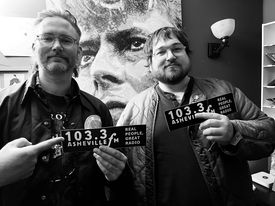
Bask interview on Dec. 12 Tuesday Asheville FM Music Sessions, 5-6pm
talking about their Bask 10th anniversary mini-tour including
their Dec. 16 Saturday homecoming show at Eulogy (10 Buxton Ave.)
with Serrate and Zombie Queen
hear Bask speak on Asheville FM Music Sessions, Tuesday, 5-6pm, Dec. 12
###

 Asheville band “Blushin’ Roulettes” played The Getaway River Bar while we simulcast it live on the AshevilleFM Live Music Sessions (ALMS) – Link is below (hover label) or you can go to the LIVE RECORDINGS tab off the main menu to hear all the great ALMS recordings..
 The Getaway River Bar – The Getaway is a laid-back bar with extra chill vibes by the river. With an expanse of outdoor seating and recreations set on the edge of the French Broad River, it welcomes everyone 21+ to loosen up and enjoy a getaway hidden in-between the city center and growing West Asheville.
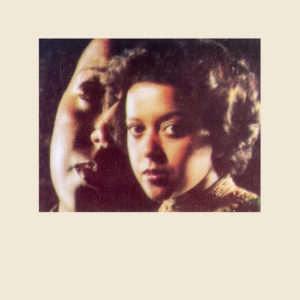 Absolutely dazzling 1982 solo debut by the young Ethiopian singer, backed by the legendary Roha Band. After stints with Alemayheu Eshete, and Hailu Mergia’s Walias, Sebsibe strides on her own, striking the perfect balance of innocent wonder and youthful melancholy. All the touchstones of timeless Ethio-R&B in full swing – circular rhythms, dusky keyboards, deep-pocket horns, all elevating Sebsibe’s celestial, graceful voice. Never a dull moment, enchanted in every turn, layers keep revealing themselves with repeated listens. Released to very little fanfare by Little Axe, this is one of those sleeper stunners that, once awakened, stays in heavy rotation. Unmissable.
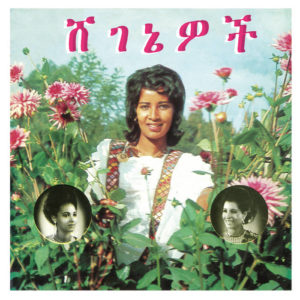 Mississippi Records is hands-down one of the finest archival labels in the world, so no surprise they’d feature several times on any reissue roundup. Beauties, released almost simultaneously with Little Axe’s Sebsibe joint, (Mississippi is Little Axe’s parent label,) is another crown jewel of Golden Era Ethiopian jazz. Almost impossible to discern which voice belongs to whom, Ashine and Kebret’s unison vocals often sound as if emanating from one magical individual. Minor key laments mix with heartwarming ballads, with a couple rocksteady-ish stompers for good measure, music like this could only be made in a certain time and place.
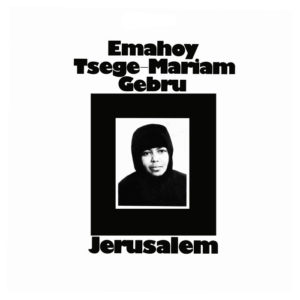 Speaking of time capsules, Mississippi uncovers yet another treasure trove from Emahoy Tsege-Mariam Gebru, an Ethiopian nun who sadly passed away in March of 2023 at age 99, just a few weeks ahead of Jerusalem’s release. During the second Italo-Ethiopian war, she and her family were captured and sent to POW camps in Italy (c 1935-37); after the conflict she studied Western classical music in Cairo, eventually returning to Ethiopia in the early 40s, settling in a hilltop monastery. After a decade of “no shoes, no music, just prayer,” she helped found orphanages around Addis Abbaba, amid more political conflict, often composing and recording music privately in her spare time. These recordings, meditations for piano and voice, date to the early 1970s, before her relocation to Jerusalem in the 80s. When it comes to non-Western “outsider art,” perhaps no one is as singular, as dedicated, and revered as Gebru.
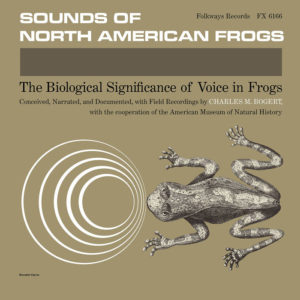 How can you not love a record like this? Charles Bogert spent the entirety of his 1957 Guggenheim Fellowship traveling around the US and northern Mexico recording sounds emanating from ditches, ponds, bogs, and anywhere else he found an amphibious friend. One of the US’s premier herpetologists (frog expert) at the time, Bogert narrates each audio entry of over 90 species with the prestige of knowledge without ego combined with the love of a hobbyist gone pro. Giving environmental context along with biological idiosyncrasy, as well as an uncommon dexterity with Latin-genus pronunciation, there’s nothing that isn’t charming about this document. Folkways presented this first-ever reissue as part of its 75th anniversary celebration in 2023, and the world is a hoppier place for it.
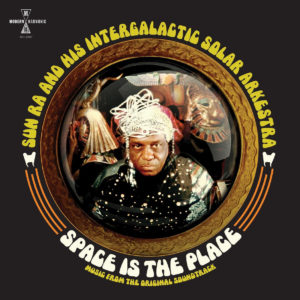 In 1972, the Arkestra hauled themselves to Oakland and stayed with members of the Black Panther Party to film Ra’s sci-fi fable, “Space is the Place.” (Fun fact: they used the same soundstage during the day which, at night, was used to film future-cult-classic X-rated game-changer “Behind the Green Door.”) The music for the soundtrack never really went out of orbit, but other recordings made during the same period are released in this deluxe box for the first time in 2023. Whereas most tracks of the classic soundtrack are Ra staples, condensed yet still spaced-out, bathed in reverb, the bonus LP of unearthed tracks hold extended sound abstractions and tone poems. Ra sounds as if on a pulpit’s pedestal, preaching about outer mathematics and rhythmic equations, chastising humanity for its transgressions yet welcoming its transcendence to the Greater Universe. A must for completeness, and still one of the best primers for the curious, the 3xLP set pinpoints newly-discovered stars in Sun Ra’s still-expanding galaxies.
 No album merges the intersections of late 60s Soul Jazz and the forefront of Black Avant-Garde like Sonny Sharrock’s “Black Woman,” yet it’s often overlooked in conversations about either of those movements. Perhaps the world wasn’t, and largely still isn’t, prepared for Sharrock’s shredded guitar skronk (though few hesitate to laud his later White counterparts,) or the vocal turns of his then-partner Linda (maligned/praised for a similar “style” to Yoko Ono – yet more accurately, Abbey Lincoln.) Its undeniable groove, an homage/furthering of funk rock and R&B, sets forth a deconstruction and reconfiguring of preconceived ideas of any genre. It’s a protest album that whirls like a dervish, rallies for the liberation of music itself, against the confines of commercialism, using the tools of the masses to lead them toward pure, individual expression. Sly Stone got nothing on this.
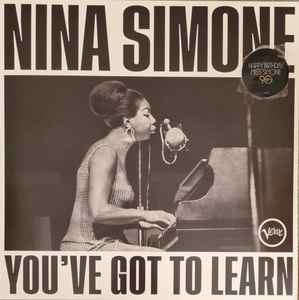 Anything “new” from Nina Simone is always cause for celebration. Her performance at Newport Jazz in 1966 was one of those mythical moments folks talk about for years. Or in this case, generations. Thanks to the archival work of venerable Verve records, recently discovered tapes allow us all into Nina’s timeless audience. From the fragile yet strong-willed title-track opener, through rearranged standards simultaneously melancholy and hopeful, Nina’s dedication to the blues and the not-so-abstract truth reverberates as vital and prescient today as it was then. Legend has it, the crowd applauded so rapturously the next act was refused access to the stage. So what does Nina do? Perform an encore of “Mississippi, Goddamn” so incendiary, so poignant it smokes the “standard” live version she performed at Carnegie Hall two years prior to embers. For anyone remotely skeptical of Ms Simone’s power to convey every emotion possible, THIS will make you a believer.